Stockwell Cleaners in Stockwell

We provide Stockwell cleaners services in Stockwell for homes and businesses that need careful, well-organised cleaning carried out to a clear standard. Our core work covers domestic cleaning, deep cleaning, one-off cleaning and specialist room-by-room tasks such as oven cleaning, carpet cleaning, upholstery cleaning and window cleaning. The aim is simple: keep interiors clean, manageable and ready for use without turning the job into a disruption.
Customers usually want two things from a cleaning service: a result they can see straight away and a process that feels straightforward from the first enquiry to the final visit. We focus on both. That means matching the cleaning method to the surface or room, explaining what is included, and keeping the scope realistic. If you are comparing regular upkeep with a more intensive clean, you can view pricing and quotes to get a better sense of how the work is approached before you decide what to book.
For straightforward enquiries, it helps to know the main areas we work on. Our cleaning company page gives a broader overview of the services we offer, while this page keeps the focus on the practical work most people need in Stockwell. If you are ready to move on, you can simply ask for a quotation in plain language and we will take it from there.
Domestic cleaning built around regular upkeep
Domestic cleaning is usually the most useful starting point for people who want a tidy, liveable home without spending time catching up on every task at once. It can cover dusting, wiping reachable surfaces, cleaning kitchen and bathroom areas, vacuuming floors and keeping living spaces presentable. The benefit of a structured domestic clean is consistency: tasks are repeated in a sensible order so the home stays under control rather than drifting into a cycle of catch-up jobs.
Some customers want a regular clean that supports day-to-day routines; others prefer a single visit to get on top of an area that has become harder to manage. Both approaches need a clear scope. We treat the home as a set of practical zones rather than a vague list of chores, which helps to keep expectations accurate. If you are deciding between recurring support and a deeper reset, our domestic cleaning service outlines the kind of work that usually sits within this type of visit.
Rooms, surfaces and sensible priorities
The best domestic plan starts with the places that affect everyday use most directly. Kitchens, bathrooms, hallways and main living areas tend to benefit from the first pass because they gather dirt quickly and influence how the whole property feels. Bedrooms, storage areas and secondary rooms can then be handled in a way that matches the time available and the condition of the space. This approach is practical because it puts effort where it has the greatest visible and hygienic value.
Deep cleaning for more detailed attention
Deep cleaning is different from routine upkeep because it allows more time for edges, fixtures, fittings and built-in features that are often missed in a standard clean. It is suitable for homes that need a more thorough refresh, for spaces that have built up grime over time, or for rooms that deserve closer attention before they are put back into regular use. The work may include detailed descaling, grease removal, skirting boards, frames, reachable ledges and other neglected touchpoints.
A deep clean should still be organised around clear priorities. That helps avoid the common mistake of treating every task as equally urgent, which can make the visit longer without improving the result in the most important areas. We aim to work methodically, moving from high-contact areas to detail work once the main surfaces are under control. If your property needs this more intensive approach, deep cleaning is the most relevant service page to review next.
It is also worth separating deep cleaning from general tidying. Removing clutter, putting belongings away and deciding what needs to stay in the room are different tasks from cleaning, and the two should not be confused. A well-planned deep clean works best when the area is accessible and the desired focus is clear. If you are unsure how much detail is appropriate, a short written outline of the spaces involved is usually enough to begin a quotation.
One-off cleaning for resets and short-term needs
One-off cleaning is useful when a property needs a single visit rather than an ongoing arrangement. It can suit seasonal resets, preparation for visitors, or a general catch-up after a period when cleaning has slipped behind. The service may overlap with domestic cleaning or deep cleaning, but the emphasis is on a defined visit with a specific outcome instead of an open-ended maintenance schedule. That makes it a flexible option for households with changing routines.
Because one-off work often combines several smaller jobs, it helps to think in terms of priorities rather than a long wish list. A sensible plan might include the kitchen, bathrooms, floors and obvious dusting first, followed by more detailed tasks if time allows. That keeps the clean practical and achievable. If this is the type of support you need, the most relevant page is one-off cleaning, which sits naturally alongside more regular domestic options.
Before requesting a quotation, it is useful to note the rooms involved, the condition of any difficult areas and whether there are items or surfaces that need special care. You do not need to overcomplicate the request; a clear description is usually enough. If there are fragile finishes, heavy buildup or access limitations, mention those plainly so the scope can be set out properly from the start.
Kitchen and appliance cleaning

Kitchens often need more detailed treatment than other rooms because grease, steam and repeated contact leave residue on worktops, cupboard fronts, splashbacks and appliances. A focused kitchen clean may include surface wiping, sink detailing, hob attention and care around frequently used points such as handles and switches. The goal is not just to make the room look better, but to restore a sensible level of cleanliness where food preparation takes place.
Oven cleaning is often requested as a separate task because it usually takes longer and requires a more concentrated method than general kitchen work. Built-up grease and carbon on internal panels, trays and glass can affect both appearance and use, so it deserves its own attention. When an oven has become heavily soiled, the right method matters more than speed. If you want this work in stock-take form rather than as part of a wider clean, oven cleaning explains the dedicated service.
For some homes, kitchen cleaning is most effective when it is planned as a wider reset. For others, the oven or hob is the main focus because the rest of the kitchen is already manageable. Either way, it is better to set the task clearly than to assume all kitchen work is the same. A clear scope helps the clean target the areas that are most likely to make a visible difference.
Floor and fabric care for lived-in spaces
Floors and soft furnishings have a big influence on how a property feels because they collect daily dust, foot traffic and accidental marks. Carpet cleaning, rug cleaning, sofa cleaning and upholstery cleaning are all related, but each one needs a method that suits the material and the construction. A carpet can usually take different treatment from a delicate rug, while upholstered seating may need careful attention to seams, cushions and fabric type.
That is why we treat fabric care as a group of distinct services rather than one broad category. Heavy-use rooms often benefit from cleaning that refreshes the fibres and lifts the visible dullness caused by regular use, while decorative pieces may need a gentler approach. If your main concern is flooring rather than the rest of the room, our carpet cleaning page is a sensible place to start, and sofa cleaning covers seating and other upholstered pieces.
It is also useful to remember that fabric care is as much about condition as appearance. Some marks sit on the surface; others are absorbed into the pile or weave and need more careful treatment. We work with the material in mind and avoid treating every item the same way. That makes it easier to protect the finish while still improving the overall look and feel of the room.
Window, hard floor and finishing work

Clean windows and well-kept hard floors can change the impression of a room quickly, especially when the rest of the property is already in good order. Window cleaning usually focuses on the visible glass and surrounding frame areas that collect marks, smears and dust. Hard floor cleaning, by contrast, needs attention to the material itself, because different finishes respond differently to moisture, agitation and cleaning products. A careful approach helps avoid dulling or overwetting the surface.
These finishing tasks are often the difference between a clean that feels partial and one that feels complete. A room may already be tidy, but if the glass is marked or the floor has a film of residue, the whole space can still look tired. That is why we treat finishing work as a normal part of a proper clean rather than an optional extra. If that is the area you want to improve, window cleaning and hard floor cleaning are both relevant service pages.
Not every property needs the same combination of tasks, and there is no benefit in adding work just for the sake of it. The best plan is the one that suits the surfaces actually present in the room. That may mean combining glass, floor and soft furnishing work, or it may mean focusing on one highly visible issue. Either way, the clean should leave the space easier to live with and simpler to maintain afterwards.
About Stockwell
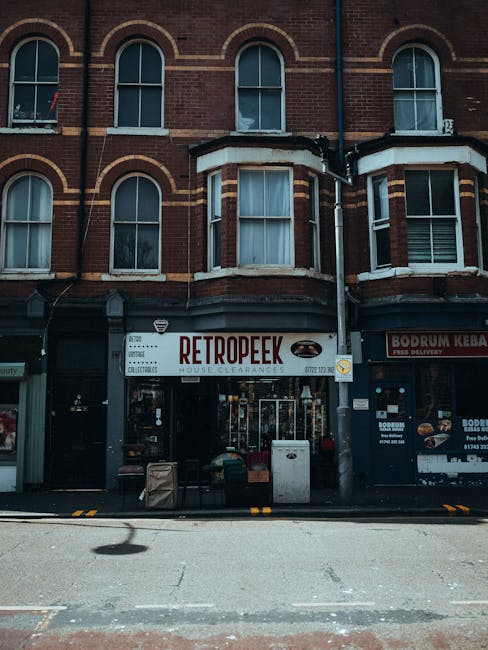
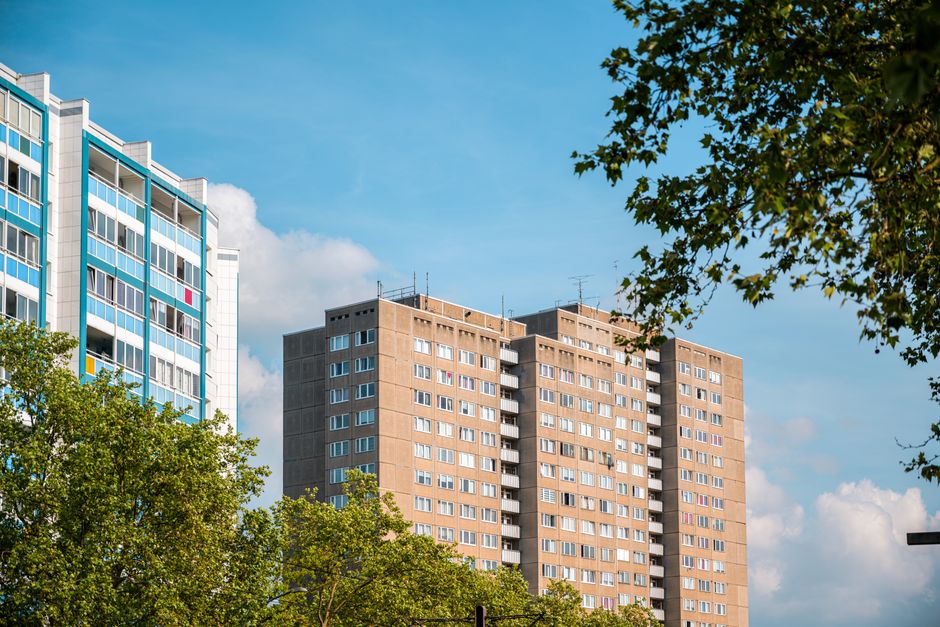
Stockwell is an inner south London district within the London Borough of Lambeth, positioned between Brixton and Vauxhall and closely connected to the wider life of central and south London through the Underground and main road network. The area is known for a mixture of Victorian and later housing, busy high streets and a long history of movement and change shaped by transport, migration and redevelopment. Its name appears in records from the medieval period, and the locality later developed into a dense urban neighbourhood with strong ties to neighbouring parts of Lambeth and the City of Westminster edge of the Thames corridor. Stockwell is perhaps best recognised for Stockwell Underground station, which serves the Northern and Victoria lines, and for the prominent Stockwell War Memorial, a local landmark recalling the sacrifices of the First and Second World Wars. The neighbourhood also has a notable place in London’s social and cultural history, particularly through its diverse communities and the evolution of everyday shopping streets around Clapham Road, South Lambeth Road and the routes leading towards Brixton. Open spaces are more limited than in outer districts, which gives local squares, pocket parks and tree-lined residential streets a particular value. The area’s built environment includes terraced housing, mansion blocks and a number of small-scale commercial premises, creating a streetscape that feels urban, compact and layered. Although Stockwell is not a large district, it has a distinct identity shaped by its location, its architecture and the constant overlap between home life, transit and local trade.
End of tenancy and after-builders cleaning
End of tenancy cleaning and after-builders cleaning both need a more exacting standard than ordinary maintenance, but they solve different problems. End of tenancy work is usually about returning a property to a presentable, neutral state after occupation, with attention to fixtures, fittings, floors and rooms that have seen regular use. After-builders cleaning is more about removing dust, plaster marks, debris and the fine residue left after refurbishment or repair work. In both cases, the aim is a proper reset rather than a light tidy.
These jobs tend to work best when the scope is clear from the outset. A property that has just been renovated may need careful attention to edges, internal surfaces and surfaces that have gathered dust during work. A tenancy clean may need a broader review of kitchens, bathrooms and living rooms so the space is ready for inspection or handover. If you need one of these more specific services, end of tenancy cleaning and after builders cleaning are the relevant pages to compare.
For a useful quotation, it helps to identify the type of property, the rooms involved and any particularly demanding surfaces. If the job includes fixtures that need extra care, say so at the beginning. That allows the work to be planned in a practical sequence, which is especially important where dust, residue or heavy use has built up in several areas at once.
Specialist cleaning for specific surfaces and larger premises

Some properties need services that focus on one surface or one setting rather than a general whole-home clean. Carpet cleaning, sofa cleaning and upholstery cleaning were covered earlier because they affect everyday living areas, but the same principle applies to other specialist tasks such as facade cleaning, office cleaning and office cleaners work. These services are shaped by the material, layout and purpose of the space, so the method should follow the surface rather than forcing the surface to fit a one-size-fits-all clean.
In commercial settings, cleanliness is often judged not only by appearance but by how usable the space feels for staff, visitors or clients. Offices may need attention to desks, communal areas, washrooms and floors, with the work arranged around business use rather than domestic routines. Exterior surfaces, meanwhile, can need a different level of care because weathering, pollution and general exposure affect them over time. To review these service groups in more detail, office cleaning and facade cleaning are the clearest matches.
The most practical way to choose the right service is to decide whether you need general maintenance, a deeper reset or a specialist treatment for one area. Once that is clear, the quotation becomes easier to shape and the work itself can be planned with less guesswork. If you would like to take the next step, send the brief details you already have and request a quotation.