Health and Safety Policy for Stockwell Cleaners
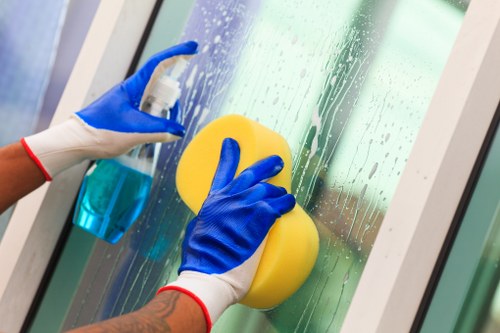 Stockwell Cleaners is committed to maintaining a safe, healthy, and responsible working environment for staff, visitors, and anyone affected by our operations. This health and safety policy applies to all cleaning activities, from routine site maintenance to specialist tasks, and it is designed to reduce risk, prevent injury, and support safe working habits across every shift. We believe that good safety practice is not separate from good service; it is an essential part of delivering reliable cleaning work with care and consistency.
Our approach is based on prevention, awareness, and accountability. We will identify hazards, assess risks, and introduce measures that lower the likelihood of accidents or ill health. All employees are expected to follow safe systems of work, use equipment correctly, and report any concerns promptly. Managers and supervisors will monitor standards, provide guidance, and review procedures regularly so that the cleaning health and safety policy remains effective and current.
 Stockwell Cleaners will provide suitable training so that staff understand the risks associated with cleaning chemicals, wet floors, electrical equipment, manual handling, and working at height where relevant. Training will be refreshed as needed, especially when new equipment, products, or methods are introduced. We will also ensure that cleaning operatives have access to appropriate personal protective equipment, and that this equipment is maintained, replaced, and worn correctly whenever required.
Key Responsibilities
Health and safety is a shared responsibility, and everyone has a role to play in creating a safe workplace. Management is responsible for setting standards, making sure controls are in place, and acting on reports quickly. Employees must take reasonable care of their own safety and that of others, follow instructions, and use cleaning products and machinery in line with training. Any unsafe condition should be reported immediately so that corrective action can be taken without delay.
Supervisors will carry out regular checks to make sure cleaning tasks are being completed safely and that equipment is functioning as intended. This includes inspecting tools, checking for damaged cables or containers, and confirming that storage areas remain organised and free from unnecessary hazards. The Stockwell Cleaners safety policy also requires that incidents, near misses, and dangerous occurrences are recorded and reviewed so lessons can be learned and future risks reduced.
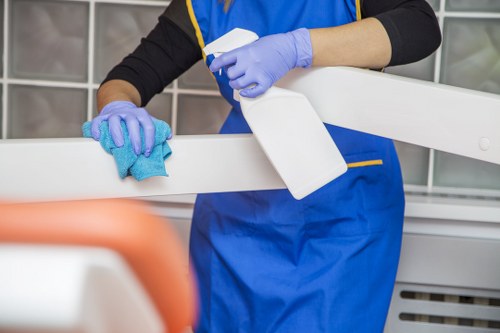 Risk assessments will be completed for routine and non-routine tasks. These assessments help us understand where harm could arise and what controls are needed. Particular attention will be given to handling detergents and disinfectants, managing slippery surfaces, lifting heavy waste or equipment, and ensuring that vulnerable areas are secured during cleaning. Where a task cannot be made fully safe, it will not proceed until appropriate controls are in place.
Safe Working Practices
Cleaning products must be stored, labelled, and used responsibly. Staff should never mix chemicals unless the product instructions clearly allow it, and containers must remain closed when not in use. Adequate ventilation should be maintained during cleaning to reduce exposure to fumes. Any spillages must be isolated and dealt with quickly using the correct method and equipment. Waste should be removed in a safe and hygienic manner, with attention to sharps, contaminated items, and heavy loads.
Manual handling is a common source of injury in the cleaning industry, so employees must use correct lifting techniques and seek assistance for awkward or bulky items. Where possible, tasks should be broken into smaller loads or supported with suitable trolleys and handling aids. Similarly, electrical safety is vital: damaged appliances, frayed wires, and overloaded sockets must never be used. Before cleaning near power sources, staff should confirm that the area is safe and that wet methods will not create unnecessary danger.
 Slips, trips, and falls remain one of the most important risks in any cleaning safety policy. To reduce this risk, warning signs should be used where floors are wet, corridors should remain clear, and spills should be cleaned immediately. Staff must also wear appropriate footwear with good grip. In areas where public access continues during cleaning, extra care is needed to separate work zones from the surrounding environment and to keep people away from active hazards.
Health Protection and Welfare
Stockwell Cleaners recognises that health protection includes more than avoiding accidents. Regular exposure to strong cleaning agents, dust, repetitive movement, or long periods of physical work can affect wellbeing over time. For that reason, we will take reasonable steps to limit exposure, rotate tasks where appropriate, and encourage breaks so staff can work safely and sustainably. Occupational health concerns will be treated seriously, and employees are encouraged to report symptoms early.
We will maintain welfare arrangements that support safe working conditions, including access to drinking water, rest facilities where available, and clear arrangements for first aid and emergency response. First aid supplies must be available and checked regularly, and employees should know how to raise an alarm if an incident occurs. Fire procedures, evacuation routes, and emergency responsibilities will be communicated clearly so that everyone can respond confidently in a crisis.
The company will also protect young workers, new starters, agency staff, and anyone who may require additional support by providing supervision and instructions suitable to their experience. Special care will be taken when working in unfamiliar environments or when tasks change at short notice. The health and safety standards for Stockwell Cleaners will be reviewed after incidents, changes in legislation, or operational developments to ensure they continue to reflect best practice and practical reality.
Monitoring, Review, and Continuous Improvement
 This policy will be monitored through regular inspections, feedback from supervisors, incident reporting, and periodic reviews of training and procedures. If problems are identified, corrective action will be taken promptly. We will aim to learn from near misses as well as actual accidents, because early action can prevent more serious harm later. Safety improvements may include revised procedures, updated equipment, improved signage, or additional staff guidance.
All workers are expected to support a positive safety culture by speaking up about risks and contributing to practical solutions. The aim is not simply to meet minimum requirements, but to build a workplace where care, responsibility, and safe behaviour are normal parts of everyday cleaning work. This commitment helps protect people, improves service quality, and strengthens trust in the way Stockwell Cleaners operates.
Stockwell Cleaners will keep this policy under review and amend it when needed to reflect new risks, lessons learned, or changes in working practices. By maintaining a clear and sensible health and safety policy for cleaners, we can provide a safer environment for everyone involved in our services and ensure that safety remains central to everything we do.