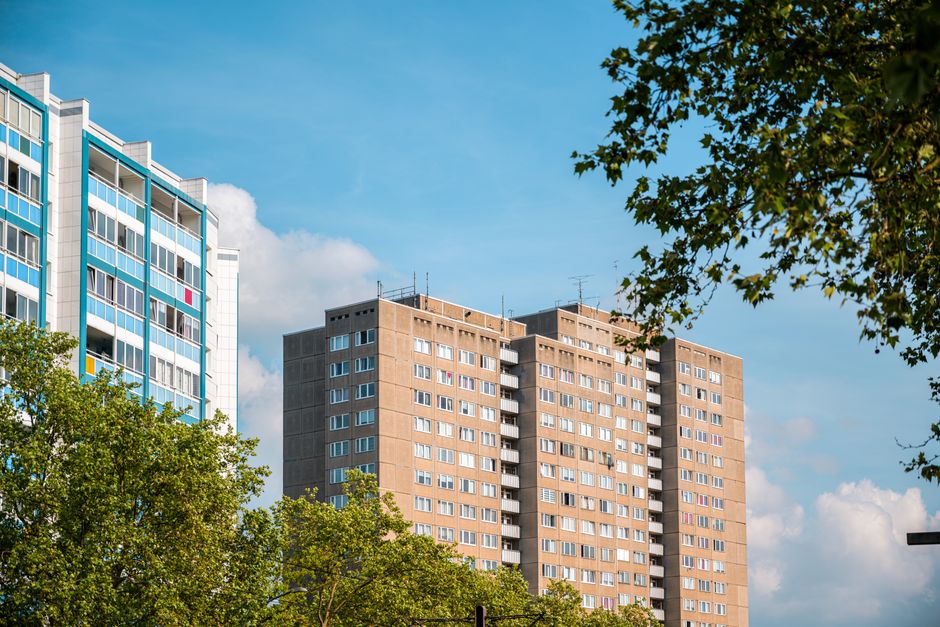
Stockwell Park Estate flat cleaning tips for tenants
If you are moving out, trying to keep on top of inspections, or simply want your flat to feel a bit less chaotic, Stockwell Park Estate flat cleaning tips for tenants can save you a lot of stress. The tricky part is that "clean enough" and "deposit-safe clean" are not always the same thing. A tidy room can still fail a checkout if the skirting boards are dusty, the oven is greasy, or the bathroom limescale has been quietly building up for months.
This guide is written for real tenants, not perfectionists with unlimited time. You will find a practical room-by-room approach, a few time-saving tricks, common mistakes to avoid, and a sensible checklist for the final clean. If you need a deeper reset rather than a quick spruce-up, it can also help to compare a proper deep cleaning service with a routine domestic cleaning visit, especially when you are short on days or energy. Let's make it manageable.
Table of Contents
- Why Stockwell Park Estate flat cleaning tips for tenants Matters
- How Stockwell Park Estate flat cleaning tips for tenants Works
- Key Benefits and Practical Advantages
- Who This Is For and When It Makes Sense
- Step-by-Step Guidance
- Expert Tips for Better Results
- Common Mistakes to Avoid
- Tools, Resources and Recommendations
- Law, Compliance, Standards, or Best Practice
- Options, Methods, or Comparison Table
- Case Study or Real-World Example
- Practical Checklist
- Conclusion
- Frequently Asked Questions
Why Stockwell Park Estate flat cleaning tips for tenants Matters
Cleaning a rented flat is not just about appearances. It affects your move-out handover, your inspection notes, and often your relationship with your landlord or letting agent. In a place like Stockwell Park Estate, where flats can have compact kitchens, shared ventilation patterns, and everyday wear from busy London living, the details show quickly. Grease on cupboard doors, dust behind radiators, water marks around taps - those little things stack up.
There is also a practical side. The more organised your clean, the less likely you are to rush, miss a room, or scrub the same patch twice while ignoring something more important. That is usually where people come unstuck. They clean what is visible from the doorway and forget the bits that get checked properly: behind appliances, inside drawers, around seals, under sinks, and inside shower screens.
For tenants, the main goal is usually simple: hand the flat back in a fair, tidy, well-presented condition. Not sterile. Not showroom-perfect. Just properly cared for. And to be fair, that is a sensible standard.
How Stockwell Park Estate flat cleaning tips for tenants Works
The best way to clean a flat before moving out is to work from the top down and the dry areas before the wet ones. Start with dusting, cobweb removal, and decluttering. Then move into surfaces, bathrooms, kitchen appliances, floors, and final touch-ups. If you clean in random order, you will end up moving dirt around. Happens all the time.
A good tenant clean usually follows three stages:
- Preparation: clear belongings, bin rubbish, gather tools, and check the tenancy inventory or checkout notes if you have them.
- Detail cleaning: tackle grime, grease, soap scum, and limescale room by room, including hidden spots.
- Final inspection: walk through the flat as if you were the landlord, looking for smells, marks, streaks, and missed edges.
If the flat has been lived in for a while, a one-off refresh can help before the main clean. Many tenants use one-off cleaning for a timed reset rather than trying to maintain the whole place from scratch in one exhausting weekend. If carpets, rugs, or upholstery are part of the issue, targeted help from carpet cleaning, rug cleaning, or upholstery cleaning can make the flat feel cleaner much faster than scrubbing at stains with a damp cloth and hope.
Key Benefits and Practical Advantages
Doing the clean properly brings more than a neat-looking flat. It reduces the chance of avoidable deposit disputes, makes the handover calmer, and gives you a clear paper trail of effort if questions come up later. That last part matters more than people think.
Here are the main benefits:
- Better chance of passing checkout expectations because the usual problem areas have been addressed.
- Less last-minute stress since the clean is broken into manageable steps.
- Less risk of damage because you are using the right products and not panicking with something too harsh.
- Faster move-out when the flat is already sorted before removals or key handover.
- Improved hygiene in the kitchen and bathroom, where smells and residue linger.
There is a quieter benefit too: a clean flat feels less emotionally heavy. You notice it when the windows are clear, the kitchen worktop is wiped, and the bathroom stops smelling faintly of drain and product residue. Small thing, but it helps.
Who This Is For and When It Makes Sense
This guide is for tenants in Stockwell Park Estate who want a practical, realistic plan rather than a generic "clean everything" checklist. It is especially useful if you are:
- moving out at the end of a tenancy
- trying to get the flat ready for an inspection
- sharing a flat and dividing cleaning tasks between housemates
- moving into a new tenancy and want a proper fresh start
- trying to decide whether to do it yourself or bring in professionals
It also makes sense when the flat has a few awkward problems: baked-on oven dirt, carpet traffic marks, window streaks, or limescale around taps and shower glass. That is the point where a tenant clean becomes less about motivation and more about strategy. If the place needs a deeper reset, services such as end of tenancy cleaning or help from a cleaning company may be more efficient than trying to tackle it alone after a long work week.
Truth be told, if you are already juggling removals, notices, keys, and packing tape, you probably do not need another project that eats the entire Saturday.
Step-by-Step Guidance
Here is a clean, sensible order to follow. It is not glamorous, but it works.
1. Read the tenancy notes first
Before you clean a single shelf, check what your inventory or tenancy agreement says about condition on return. Some landlords care strongly about ovens, extractor fans, carpets, and windows. Others focus more on general hygiene and damage. Knowing this early helps you put your effort where it counts.
2. Remove clutter and rubbish
Empty cupboards, clear drawers, and take out all rubbish and recycling. A clean surface is much easier to work on than one covered in cables, bits of packaging, and that one random spoon that somehow keeps reappearing in the sofa.
If you have bulky leftovers, broken items, or things you are not taking with you, a house clearance style service may be useful for larger clear-outs, though many tenants only need a few bins and a solid sorting session.
3. Dust from high to low
Start with cobwebs, tops of cupboards, light fittings, shelves, picture rails, and curtain poles. Then work down to skirting boards, radiators, and floor edges. This prevents dust from settling on areas you already finished. It sounds obvious, but everyone forgets it once in a while.
4. Clean the kitchen in layers
The kitchen usually takes the longest. Work from dry surfaces to greasy surfaces:
- Wipe cupboards, handles, shelves, and kickboards.
- Clean the sink, taps, draining board, and splashbacks.
- Degrease the hob, cooker hood, and any surrounding tiles.
- Defrost and wipe the fridge and freezer if they are included.
- Use proper oven care rather than a quick wipe if the inside is heavily soiled.
The oven deserves special attention because it is one of the most common sources of checkout complaints. If it is badly baked-on, a dedicated oven cleaning service can be a smart save of time and sanity. For lighter maintenance, a routine oven cleaner product may be enough, provided you follow the instructions and let it work properly. No magic spray, sadly.
5. Sort the bathroom properly
Bathrooms tend to fail on detail rather than scale. The room might look fine at first glance, then you spot the waterline on the toilet, soap residue under the sink, or a cloudy shower screen. Focus on:
- toilet base, seat, lid, cistern, and flush handle
- sink basin, tap bases, and plughole
- shower tray, screen, tiles, and sealant
- mirrors, extractor cover, and any shelving
- floor edges and behind the toilet
If limescale is thick, let the product dwell for a few minutes before wiping. Scrubbing too soon just spreads it around and wastes your elbow, which is a bit rude, really.
6. Tackle floors last
Floors should be cleaned after all the dusting and surface work, not before. Vacuum carpets slowly, paying attention to edges and under furniture if possible. Hard floors need sweeping and mopping, especially near kitchen and hallway traffic points. For stone, laminate, wood-effect, or vinyl flooring, the right method matters. Over-wetting can leave marks or create a dull finish, so go lightly.
If you have stubborn marks or a floor that simply does not respond well to mopping, a professional hard floor cleaning option may be better than repeated DIY attempts.
7. Finish with windows, doors, and touch points
These are easy to miss. Wipe door handles, switches, internal glass, window sills, and visible fingerprints. Then step back and look for streaks in daylight. Morning light can be brutally honest. A few final swipes with a dry microfibre cloth usually make the difference between "okay" and "properly finished".
8. Do a final smell and sight check
Before you leave, stand in each room and ask: does this smell fresh, does anything look sticky, and is there any obvious dust or residue? The answer is often yes to at least one thing. That is normal. Fix those last bits. Then stop. Perfection is lovely, but a dead-tired tenant in their third hour of bathroom scrubbing is not making better decisions.
Expert Tips for Better Results
Over the years, the best tenant cleans tend to have the same habits in common. Nothing fancy. Just good order and a bit of discipline.
- Use two cloth systems: one for bathroom/kitchen grime and one for general dusting, so you do not spread grease around.
- Let products sit: especially in ovens, sinks, and bathroom limescale spots. Wipe, wait, then wipe again.
- Work in sections: one cupboard, one wall, one room. It feels slower at first, but it is more efficient.
- Open windows while cleaning: the air clears faster and strong cleaning smells do not hang around.
- Use daylight for inspection: streaks and dust are easier to spot near a window than under a lamp.
One practical trick: if you are cleaning after moving furniture, vacuum first, then wipe baseboards and corners, then vacuum again very quickly. You will be surprised how much dust appears the second time. Annoying, yes. Useful, absolutely.
If the flat has fabric furniture, worn cushions, or a sofa that has absorbed life a bit too well, sofa cleaning can refresh it without replacing anything. And if cushions or chair upholstery have absorbed food smells, pet odours, or daily grime, upholstery cleaning is often the cleaner solution than over-spraying deodoriser and hoping for the best.
Common Mistakes to Avoid
These are the mistakes that cost time, energy, and sometimes money.
- Cleaning in the wrong order. If you mop first and dust later, you are undoing your own work.
- Using too much water. This can leave marks on wood, laminate, and painted surfaces.
- Ignoring hidden areas. Check behind bins, under the sink, around radiators, and inside cupboards.
- Forgetting appliances. Fridge shelves, extractor filters, oven doors, and microwave interiors matter.
- Leaving it all to the final day. That is how people end up polishing a hob at 11:40 pm with takeaway boxes stacked in the hall.
- Using harsh chemicals on delicate finishes. Always test carefully, especially on stainless steel, painted doors, and bathroom sealant.
Another common one: trying to make a very dirty item look good with fragrance instead of actually cleaning it. Nice smell does not remove grease. It just makes the room smell like citrus and regret.
Tools, Resources and Recommendations
You do not need a professional van full of gear to clean a flat properly. But the right basics do make life easier.
| Tool or product | Best for | Why it helps |
|---|---|---|
| Microfibre cloths | Dusting, wiping, polishing | They pick up fine dust well and leave fewer streaks |
| Vacuum with attachments | Carpets, corners, skirting, upholstery | Useful for edges and furniture where dust hides |
| Non-abrasive bathroom cleaner | Taps, sinks, shower screens | Helps remove soap residue and light limescale without scratching |
| Degreasing spray | Kitchen cupboards, hob, extractor hood | Breaks down oily residue more effectively than plain water |
| Scrubbing pad or soft brush | Grout, hob edges, sink corners | Reaches awkward spots without too much pressure |
| Steam or deep-clean equipment | Heavy grime on suitable surfaces | Can improve results where standard wiping is not enough |
For most tenants, the decision is not whether to buy more products. It is whether to use the right combination of simple tools well. If you are considering outside help, look at the service fit rather than just chasing the cheapest option. A flat with carpet stains may benefit from carpet care support, while a rental that has picked up a lot of general buildup may need a more structured deep cleaning approach.
Some tenants also prefer to use local cleaners when time is tight or when the tenancy requires a polished finish. That can be especially helpful if the flat has multiple problem spots at once.
Law, Compliance, Standards, or Best Practice
This is the part many people skip, and then they wonder why a checkout becomes awkward. While tenancy terms vary, the general best practice in the UK is to return the property in the condition expected by the tenancy agreement, allowing for fair wear and tear. That means tenants should focus on cleanliness, not repainting walls or fixing structural issues unless they caused damage.
In plain English: clean thoroughly, document what you did, and keep the job proportionate. If you have the inventory report from move-in, use it as your reference point. If the flat was already marked as having stained grout or older carpet wear, do not panic over every cosmetic trace. Reasonable condition matters more than chasing impossible perfection.
From a safety perspective, use products as directed, ventilate rooms, and avoid mixing chemicals. That last part sounds obvious, but accidental combinations happen more often than people admit. If you hire outside help, it is sensible to check that the provider has clear safety practices and appropriate insurance. A transparent company will usually explain this plainly, not hide behind vague promises. You can also review pages like health and safety policy and insurance and safety information to understand how a professional service approaches risk and care.
For tenants who prefer a service-based route, it is also worth understanding payment terms before booking. Clear pricing, cancellation terms, and service scope should be easy to find, and that is simply good practice. If a company is hard to understand before you book, that is a tiny warning light. Not always a red flag, but worth a pause.
Options, Methods, or Comparison Table
There is no single best method for every flat. The right choice depends on time, budget, and how much work the property actually needs.
| Option | Best for | Pros | Trade-offs |
|---|---|---|---|
| DIY tenant clean | Light to moderate mess | Cheaper, flexible, full control | Time-consuming, easy to miss details |
| Room-by-room deep clean | Flats with a few heavy-use areas | Better focus on problem spots | Still takes planning and energy |
| Professional end-of-tenancy clean | Move-outs, tight deadlines, higher expectations | Structured, efficient, more thorough | Costs more than DIY |
| Hybrid approach | Tenants who want to save money but avoid the worst jobs | Balanced effort and cost | Needs coordination so nothing gets duplicated |
For many Stockwell Park Estate tenants, the hybrid approach is the sweet spot: handle the easy tasks yourself, then use targeted help for the hard jobs such as oven cleaning, carpet care, or window streak removal. If the property has a lot of glass, a professional window cleaning finish can make the flat look much brighter, which is helpful during final viewings and checkouts.
Case Study or Real-World Example
Here is a realistic example. A couple moving out of a two-bedroom flat in Stockwell Park Estate had done a decent job packing, but the cleaning had been left until the final two days. The kitchen had tea stains in the sink, the oven had built-up grease on the bottom tray, and one bedroom carpet had a visible dark track near the bed.
They split the work in a sensible way. One person cleared and cleaned the kitchen cupboards, fridge, and bathroom. The other tackled dust, skirting boards, and floors. They realised quickly that the oven was the time sink, so they booked specialist help for that part instead of spending four frustrating hours attacking it with a sponge and diminishing hope. The carpet mark also needed more than vacuuming, so they arranged a focused clean for the floor.
The result was not a perfect flat. There were still normal signs of living: a tiny paint scuff near a door frame and one faint mark in a drawer. But the flat looked cared for, fresh, and presentable. The checkout felt calmer because the obvious problem areas had been dealt with properly.
That is really the pattern most of the time. You do not need a miracle. You need the right priorities, done in the right order.
Practical Checklist
Use this checklist before handing back the keys. Print it, copy it into your phone, scribble on it - whatever works.
- All rubbish, recycling, and personal belongings removed
- Kitchen surfaces wiped and degreased
- Oven, hob, extractor, and splashback cleaned
- Fridge, freezer, and cupboards emptied and wiped
- Bathroom descaled, wiped, and deodorised naturally
- Mirrors, glass, and windows streak-free
- Dust removed from shelves, skirting, and light fittings
- Floors vacuumed, swept, and mopped as needed
- Carpets, rugs, and upholstery checked for stains or crumbs
- Door handles, switches, and high-touch points cleaned
- Any damage documented separately from cleaning
- Final walk-through completed in daylight if possible
Expert summary: the best tenant clean is not the fanciest one. It is the one that is methodical, honest about problem areas, and finished with a careful final check. If you can make the flat look and smell fresh without scrambling at the last minute, you are already ahead.
Get a free quote today and see how much you can save.
Conclusion
Good Stockwell Park Estate flat cleaning tips for tenants are really about reducing pressure. When you know what matters, clean in the right order, and focus on the places that get checked properly, the whole move-out process feels less daunting. A tidy flat is nice. A properly cleaned flat is better. And a calmly handed-back flat is best of all.
If you are short on time, dealing with stubborn grime, or simply want a stronger finish before checkout, it is worth considering whether specialist help would save you more effort than it costs. Either way, the goal is the same: hand over the keys with confidence and move on without that nagging feeling that you forgot something. That peace of mind is worth a lot, honestly.
And if all you manage tonight is one cupboard, one sink, and one clear bag of rubbish, that is still progress. Small wins count.
Frequently Asked Questions
What are the most important Stockwell Park Estate flat cleaning tips for tenants before moving out?
The most important tips are to clean in the right order, focus on kitchens and bathrooms, remove all belongings, and check hidden areas like behind appliances and under sinks. Those are the spots that most often cause issues at checkout.
Should I clean the flat myself or book professional help?
If the flat is only lightly dirty, DIY cleaning can be enough. If you have stubborn oven grease, carpet stains, or very limited time, professional help is often the more practical option. A hybrid approach works well for many tenants.
How clean does a rented flat need to be at the end of a tenancy?
It should be returned in the condition expected by the tenancy agreement, allowing for fair wear and tear. In practice, that usually means thoroughly cleaned, free from rubbish, and presented in a tidy, hygienic state.
What are the hardest rooms to clean in a Stockwell Park Estate flat?
The kitchen and bathroom usually take the most effort. The oven, extractor hood, shower screen, toilet areas, and sink fittings are the most common trouble spots. Floors and windows can also take longer than expected.
How far in advance should tenants start cleaning before checkout?
Ideally, start a few days before the handover so you can clean in stages. That gives you time for drying, touch-ups, and any unexpected problem areas. Leaving everything for the final evening is a risky little adventure nobody enjoys.
Do I need to clean carpets and upholstery too?
If they are visibly dirty, stained, or part of the move-in inventory condition, yes. Carpets, rugs, and upholstered furniture can hold smells and marks even when the rest of the flat looks clean.
What is the best way to deal with oven grease?
Use a suitable oven-cleaning product and give it enough dwell time before wiping. For heavy buildup, a dedicated oven cleaning service is often more effective and less exhausting than repeated DIY scrubbing.
Can I use bleach everywhere in the flat?
No, not safely. Bleach is not suitable for every surface and can damage finishes or create strong fumes if misused. Use products according to their instructions and test carefully on delicate areas.
How do I make the flat smell fresh without masking bad odours?
Remove the source of the smell first: bins, drains, fridge residue, fabric odours, and damp areas. Then ventilate the flat well. A fresh scent comes from cleanliness, not from spraying over the problem.
What should I do if the flat already had wear and tear before I moved in?
Use the inventory report or move-in photos as your reference and separate cleaning issues from pre-existing damage. You are responsible for cleanliness and any damage you caused, but not for normal wear that was already there.
Is it worth getting windows professionally cleaned before moving out?
If the windows are high, streaky, or heavily marked, yes, it can be worth it. Clean windows improve the overall look of the flat and make the space feel brighter, which helps during final checks.
How can I tell if I have done enough cleaning?
Do a final walk-through in daylight and check for smell, streaks, dust, and greasy touch points. If the flat looks fresh, feels dry, and has no obvious grime in visible or hidden areas, you are probably in good shape.
Where can I find more about service standards and policies before booking help?
It is sensible to review practical company pages such as the terms and conditions, privacy policy, and pricing and quotes information so you know what is included, how bookings work, and what to expect.